

In the early stages of an enterprise, "off-the-shelf" software is a lifesaver. It’s quick, it’s relatively cheap, and it gets the job done. But there comes a tipping point where the very tools that helped you start are the ones preventing you from scaling.
At Deventure.co, we call this the "Software Friction Point." It’s that moment when your team spends more time working for the software than the software spends working for you.
If you are seeing these five signals within your organization, it isn't just a minor inconvenience—it’s a clear indicator that it’s time to transition to a custom software solution.
1. The Manual Workload Trap

Are your most talented employees spending hours each week on data entry, manual "copy-pasting" between apps, or managing complex spreadsheets just to keep the lights on?
When your processes rely on human memory and manual workarounds, you aren't just losing time—you're increasing the surface area for human error. Custom software automates these unique workflows, freeing your team to focus on high-value strategy.
2. The Frankenstein Tech Stack

As businesses grow, they tend to bolt on new SaaS tools for every new problem. Before you know it, you have a "Frankenstein" system: a disjointed collection of apps that don't communicate.
Data becomes siloed. One department's "truth" doesn't match another's. A custom-built platform acts as a unified "source of truth," integrating your entire operation into a single, seamless ecosystem.
3. Performance and Scalability Bottlenecks
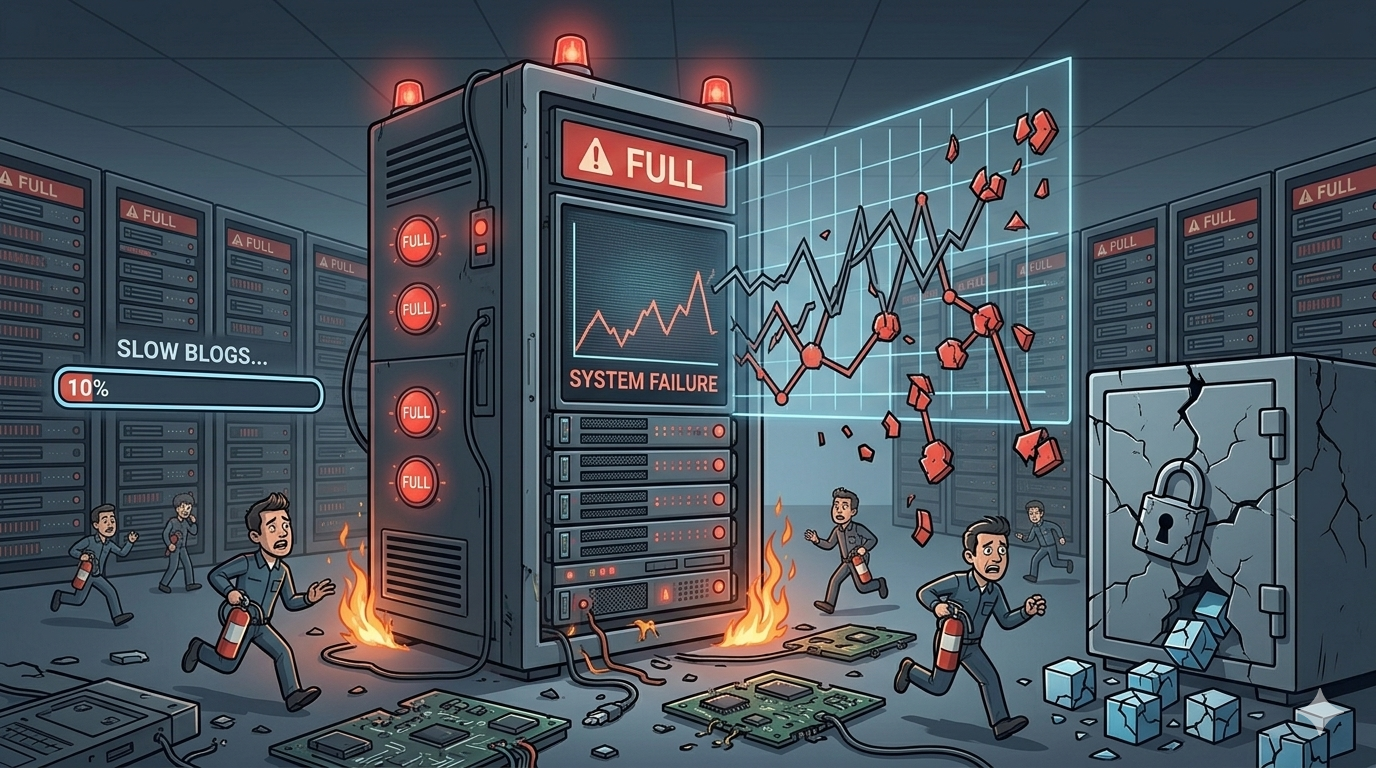
Off-the-shelf software is built for the "average" user. But your enterprise isn't average. As you add more users, more data, and more complex transactions, generic platforms often lag or crash.
If your software is "spinning its wheels" while your business is trying to sprint, you've hit a scalability wall. Custom solutions are architected to handle your specific load today and your projected growth for 2027 and beyond.
4. Specific Industry Compliance Gaps
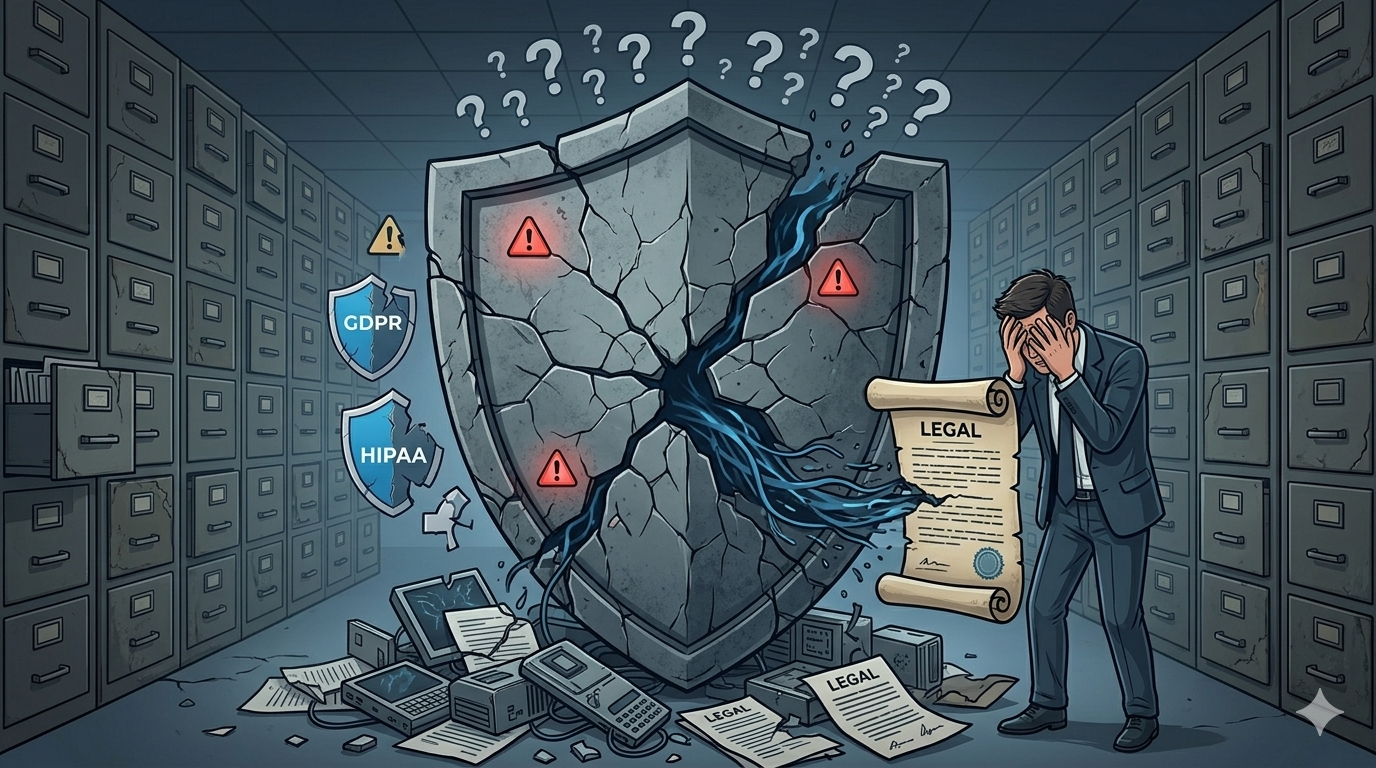
Standard software is designed to be "broadly" compliant. However, if you operate in fintech, healthcare, or high-security logistics, "broadly" isn't enough.
Failing to meet unique regulatory requirements (like HIPAA, GDPR, or specialized industry audits) is a massive risk. Custom software allows you to build security and compliance into the very DNA of your product, rather than trying to patch it onto a generic tool.
5. Losing Your Competitive Edge
This is the most critical signal. Your "secret sauce"—the unique way you do business—is what makes you better than your competitors. If you are forced to change your business processes to fit the limitations of a pre-packaged software, you are effectively neutralizing your own competitive advantage.
Custom software should fit your business like a glove, not a straitjacket.
The Path Forward
Recognizing these signals is the first step toward true digital transformation. At Deventure, we don't just write code; we partner with enterprises to identify these bottlenecks and build full-stack solutions that turn technology into a launchpad.
Is your technology an asset or a liability?
If these signals sound familiar, it’s time to move beyond the limitations of good enough.
About Deventure.co We are a full-stack custom software development company dedicated to building the future of enterprise technology. From custom apps to complex software ecosystems, we help businesses scale without limits.
Visit us at www.deventure.co to start the conversation.
What clients say when the partnership is done right

When teams feel supported, they move faster—and with more certainty.
- Their availability stands out to me: we can call Deventure and rely on them 24/7. If there’s a tight deadline, they’ll work after hours to make it happen. They take ownership of the product as if it’s their own.
- The team is very skilled, knowledgeable, and well managed at all times, working diligently to understand the need and then effectively meet it.
- The final product fulfilled expectations and has been well-received internally. Their clear communication style fostered a strong partnership and quality work.
- Deventure’s dedication to client success sets them apart from other vendors. They are communicative and forward-thinking, always looking to improve the final deliverable.
A simple way to think about it: confidence is a system outcome

Confidence isn’t a motivational poster. It’s what happens when:
- data is reliable
- workflows are clear
- approvals are traceable
- teams aren’t stuck in manual loops
That’s what custom-built enterprise software is really about: building an operational foundation that lets people do their best work.
Closing thought + CTA
If your operations are growing but your systems feel fragile, it might be time to stop patching and start building.
Ready to run with confidence? Explore custom enterprise software at deventure.co